
Uncontrolled high pressure in pipelines is one of the most common causes of system failure. It leads to equipment damage, leakage, pipe bursts, and increased maintenance costs.
In industries such as water treatment, oil & gas, mining, and industrial processing, maintaining stable pressure is not optional—it is critical.
A Pressure Reducing Valve (PRV) ensures that downstream pressure remains constant, even when upstream pressure fluctuates.
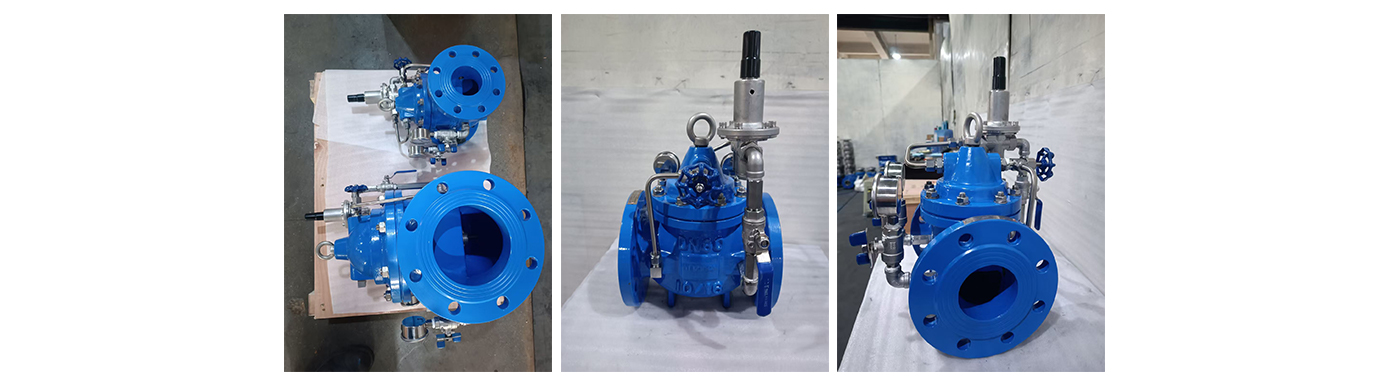
A Pressure Reducing Valve (PRV) is a self-regulating valve designed to automatically reduce a higher inlet pressure to a stable, lower outlet pressure.
Key Features:
* Fully automatic operation
* No external power required
* Continuous pressure regulation
* Protects downstream equipment
👉 In simple terms:
PRV = Stability + Safety + System Protection
A PRV operates through a feedback control mechanism using internal components like a diaphragm or piston.
Working Process:
* High-pressure fluid enters the valve
* Internal sensing element detects downstream pressure
* Valve opening adjusts automatically
* Outlet pressure remains constant
Core Components:
* Diaphragm / piston
* Spring mechanism
* Valve seat & plug
|
Component |
Function |
Advantage |
|
Diaphragm |
Senses pressure changes |
High sensitivity |
|
Piston |
Handles high pressure |
Strong durability |
|
Spring |
Controls pressure setting |
Adjustable |
|
Valve seat |
Regulates flow |
Stable performance |

Choosing the right type is critical for system efficiency.
* Direct-Operated PRV
* Simple structure
* Quick response
* Suitable for low flow & small pipelines
* Pilot-Operated PRV
* High accuracy
* Stable control
* Ideal for large flow & high-pressure systems
* Diaphragm Type
* High precision control
* Best for water systems
* Piston Type
* Strong & durable
* Ideal for oil, gas, and high-pressure systems
|
Type |
Accuracy |
Flow Capacity |
Best Application |
|
Direct-operated |
Medium |
Low |
Small pipelines |
|
Pilot-operated |
High |
High |
Industrial systems |
|
Diaphragm-actuated |
High |
Medium |
Water treatment |
|
Piston-actuated |
Medium |
High |
Oil & gas, mining |
Many customers confuse these two valves—but they serve completely different purposes.
Key Difference:
PRV → Controls and stabilizes pressure continuously
Relief Valve → Protects system only during overpressure events
|
Feature |
PRV |
Relief Valve |
|
Function |
Pressure regulation |
Overpressure protection |
|
Operation |
Continuous |
Emergency only |
|
Flow control |
Yes |
No |
|
Application |
System stability |
Safety protection |
PRVs must match the operating environment.
Common Materials:
Ductile Iron → water systems
Carbon Steel → industrial use
Stainless Steel → corrosive media
Pressure Ratings:
PN10 / PN16 → low pressure
PN25 / PN40 → medium pressure
PN63 / PN100 → high pressure
Sealing Materials:
EPDM → water
NBR → oil
Viton → chemical
* Municipal water distribution
* High-rise building pressure zones
* Irrigation systems
* Pump stations
👉 Prevents pipe bursts and ensures stable supply
* Wellhead pressure control
* Process skid systems
* Instrument air systems
👉 Ensures safe operation under high pressure
* Slurry pipelines
* Cooling water systems
* Chemical processing
👉 Protects equipment from pressure fluctuations
Selecting the right Pressure Reducing Valve (PRV) is not just about matching pipe size—it requires a clear understanding of system pressure conditions, flow demand, and application environment. A wrong selection can lead to unstable pressure, noise, vibration, or even system failure.
* Inlet Pressure (P1)
* Required Outlet Pressure (P2)
👉 The pressure drop (ΔP = P1 – P2) determines:
* Valve type
* Internal structure
* Material strength
* You must calculate:
* Maximum flow rate
* Minimum flow rate
👉 Why it matters:
Too large → poor control accuracy
Too small → pressure instability
Different media require different materials:
|
Medium |
Recommended Material |
|
Water |
Ductile iron / Stainless steel |
|
Oil |
Carbon steel / Stainless steel |
|
Chemical |
Stainless steel (SS316) |
|
Slurry |
Special design (anti-wear) |
* Temperature
* Installation space
* Maintenance accessibility
* Risk of cavitation or noise

Project Background:
A city water distribution network needs to reduce pressure from 10 bar to 4 bar to supply residential areas.
Challenges:
* Fluctuating inlet pressure
* Continuous operation required
* High reliability needed
Recommended Solution:
Type: Pilot-operated PRV
Actuation: Diaphragm type
Material: Ductile iron body + EPDM seal
Pressure Rating: PN16
👉 Why?
Pilot-operated ensures stable pressure control
Diaphragm provides high sensitivity for water systems
Project Background:
An oil transport system requires pressure reduction from 40 bar to 15 bar.
Challenges:
* High pressure
* Oil medium (lubrication + sealing requirements)
* Safety critical
Recommended Solution:
Type: Pilot-operated PRV
Actuation: Piston type
Material: Carbon steel / Stainless steel
Pressure Rating: PN40 or above
👉 Why?
Piston design handles high pressure better
Carbon steel ensures strength and durability
❌ Choosing based only on pipe size
❌ Ignoring pressure fluctuation
❌ Using water PRV for oil system
❌ Undersizing flow capacity
For most industrial projects:
Water system → Diaphragm PRV
Oil & gas → Piston PRV
High flow / high pressure → Pilot-operated PRV
Harsh conditions → Customized solution
Before purchasing, confirm:
✔ Inlet pressure
✔ Outlet pressure
✔ Flow rate
✔ Medium type
✔ Temperature
✔ Pressure rating (PN)
✔ Installation environment
🎯 Summary
A properly selected PRV ensures:
* Stable system pressure
* Longer equipment life
* Reduced maintenance cost
👉 In real projects, engineering experience + correct data is the key to choosing the right valve.

Contact Eileen for a quote:
WhatsApp: +86 13849184495
Email: eileen@wsdsolution.com
Tags: pressure reducing valve, PRV valve, water pressure reducing valve, oil system PRV, industrial pressure control valve, PN100 PRV, valve manufacturer

