
Single Flange Butterfly Valve | Features, Advantages & Selection GuideMeta Description: Complete guide to single flange butterfly valves: structure, benefits, applications, and key differences vs double flange butterfly valves. Ideal for space-saving, cost-effective projects.
In today’s industrial and municipal piping projects, space constraints, budget control, and installation efficiency have become top priorities. Butterfly valves are essential for flow control, but not all flanged valves are equal. Single flange butterfly valves have grown rapidly popular for their lightweight design, compact structure, and easy installation—especially in HVAC, water treatment, irrigation, and OEM systems where simplicity and cost savings matter.
Many engineers and buyers still mix up single flange and double flange butterfly valves, leading to wrong selection, wasted costs, or installation problems. This article clearly explains what a single flange butterfly valve is, its core advantages, how it differs from standard double flange butterfly valves, and exactly when you should choose it for your project.
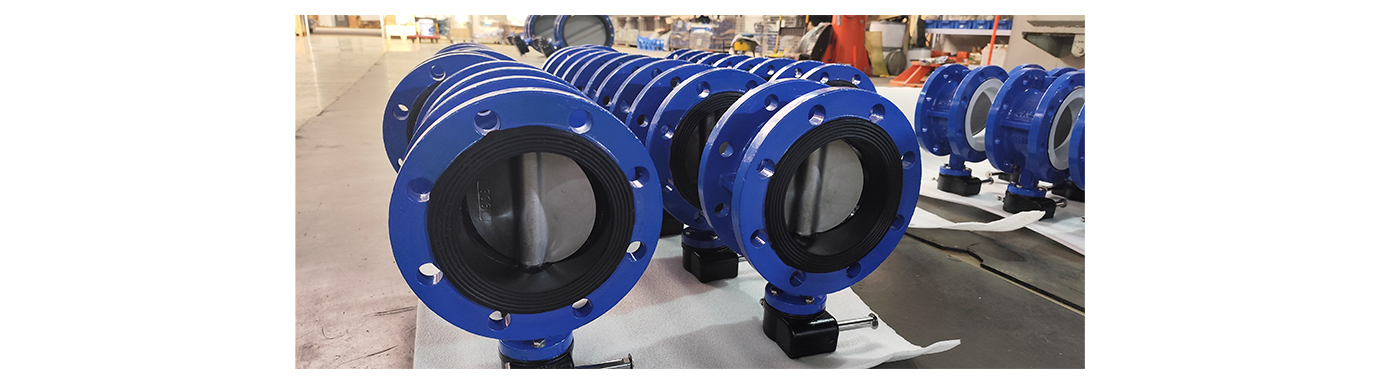
A single flange butterfly valve is a quarter-turn flow control valve that combines flanged and wafer-style design. It has only one standard flange on one end, while the other end uses a clamped (wafer/lug) structure. It is installed between two mating pipe flanges, secured by through bolts, and provides reliable on/off and throttling function for liquids, gases, and low-pressure fluids.
This design makes it lighter, slimmer, and more affordable than conventional double flange butterfly valves, while maintaining stable sealing and performance for non-critical or medium-pressure piping systems.
– One standard integrated flange on the inlet or outlet side
– Opposite end is wafer-type for clamping between pipe flanges
– Disc rotates around the center for 90° opening/closing
– Body: ductile iron, cast iron, or stainless steel
– Seat: EPDM, NBR, or Viton for tight sealing
– Operator: lever, worm gear, electric, or pneumatic actuator
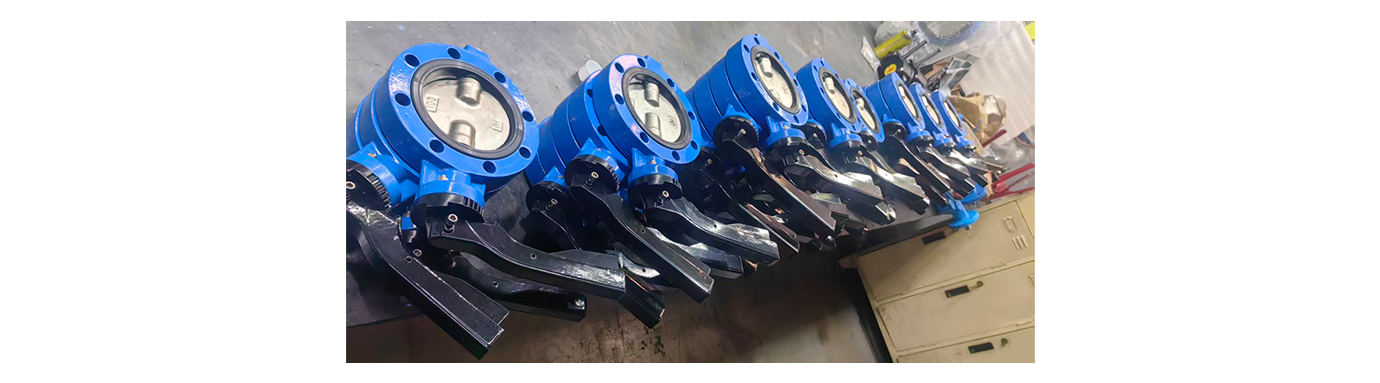
Single flange butterfly valves are significantly slimmer and lighter than double flange valves. They take less installation space, making them perfect for narrow wells, confined mechanical rooms, underground pipelines, and equipment rooms with limited room.
With simpler structure and less material usage, single flange butterfly valves cost less than double flange types. They also reduce shipping, labor, and installation expenses—ideal for large-volume, budget-sensitive projects.
The single-flange plus clamped design allows quick alignment and bolting. No need for full flange matching on both sides, shortening installation time and reducing labor requirements.
Even with a simplified structure, the single flange design still provides reliable sealing for water, wastewater, air, and neutral fluids. It meets standard requirements for most non-critical industrial and municipal applications.
Suitable for connecting to flanged pipelines, pumps, filters, and other equipment. Works well with PVC, PE, steel, and ductile iron pipes, widely used in water supply, HVAC, irrigation, and building systems.
|
Item |
Single Flange Butterfly Valve |
Double Flange Butterfly Valve |
|
Connection |
One flange + one wafer/clamped end |
Flanges on both ends |
|
Structure |
Slim, compact, lightweight |
Robust, full-flanged, heavier |
|
Pressure Rating |
PN6, PN10, PN16 |
PN10, PN16, PN25, PN40 |
|
Sealing |
Good for general systems |
Excellent for critical systems |
|
Vibration Resistance |
Moderate |
High, strong anti-vibration |
|
Installation Space |
Very small |
Standard / more space |
|
Price |
Lower, economical |
Higher, more durable |
|
Typical Sizes |
DN50 – DN300 |
DN200 – DN1200+ |
– When to Choose Single Flange Butterfly Valve
– Low-pressure and medium-pressure systems (PN6–PN16)
– Space-limited areas: narrow wells, mechanical rooms, basements
– Budget-controlled large-scale projects
– HVAC, building water supply, irrigation, fire-fighting branch lines
– OEM equipment, water treatment units, small pump stations
– Non-critical pipelines with low vibration
– When to Choose Double Flange Butterfly Valve
– High-pressure systems (PN25–PN40)
– Main pipelines, pump outlets, high-vibration locations
– Fire protection main lines, chemical systems
– Large-diameter pipelines (DN300+)
– Critical systems requiring high sealing and stability
1. Building Plumbing & HVAC Systems
Ideal for chilled water, hot water circulation, and ventilation systems where space and cost matter.
2. Municipal Water Supply & Wastewater
Used in distribution networks, small pumping stations, and treatment facilities.
3. Agricultural Irrigation
Lightweight and economical for farm irrigation and landscape watering systems.
4. OEM & Mechanical Equipment
Widely used in packaged water equipment, cooling units, and industrial machines.
5. Urban Fire Protection Branch Lines
Suitable for non-main fire pipeline sections with standard pressure requirements.
– Pressure: Confirm system pressure within PN6–PN16
– Medium: Water, gas, oil, or non-corrosive fluids
– Temperature: Match seat material (EPDM for general use)
– Space: Use when installation space is limited
– Maintenance: Prefer simple, fast replacement
– Budget: Choose for cost-effective large-volume orders
The single flange butterfly valve is an excellent choice for modern piping projects that prioritize compactness, speed, and cost efficiency. It delivers reliable performance for most low-to-medium pressure applications while saving space, time, and budget.
Understanding the key differences between single flange and double flange butterfly valves helps you avoid wrong selection and ensure safe, stable, and economical system operation. For HVAC, water supply, irrigation, and OEM applications, the single flange butterfly valve is the smart, practical solution.
Whether you need valves for reservoirs, pumping stations, irrigation systems, or flood control projects, we offer customized solutions to meet your needs.
For technical specifications, pricing, or custom valve solutions for your water conservancy project, contact Eileen via WhatsApp:
Keywords Tags
single flange butterfly valve, single flange butterfly valve vs double flange butterfly valve, wafer butterfly valve, compact butterfly valve, space-saving butterfly valve, economical butterfly valve, single flange butterfly valve application, butterfly valve for HVAC, butterfly valve for irrigation, low pressure butterfly valve, DN50-DN300 butterfly valve

