
In the oil and gas industry, valves are widely used in wellhead equipment, gathering and transmission pipelines, refining and chemical plants, compressor stations, and long-distance pipeline systems. These operating conditions are generally characterized by high pressure, high temperature, strong corrosion, and flammability/explosiveness, placing extremely high demands on the strength of valve materials and the reliability of their seals.
Improper valve selection can lead to leaks, frequent maintenance, or even production shutdowns and safety accidents. Therefore, scientifically selecting valve materials and sealing structures suitable for high-pressure oil and gas conditions is crucial to ensuring the safe operation of the system.
In oil and gas systems, valves typically need to withstand the following challenges over extended periods:
High Pressure: Common operating pressures reach Class 600/900/1500, or even higher.
High Temperature or Temperature Fluctuations: Crude oil, natural gas, and associated gas may be accompanied by high temperatures.
Corrosive Media: Contains sulfur (H₂S), CO₂, moisture, etc.
High Safety Requirements: Must meet international standards such as API and ISO.
Therefore, valves must possess sufficient mechanical strength, stable and reliable sealing performance, and good corrosion and wear resistance.
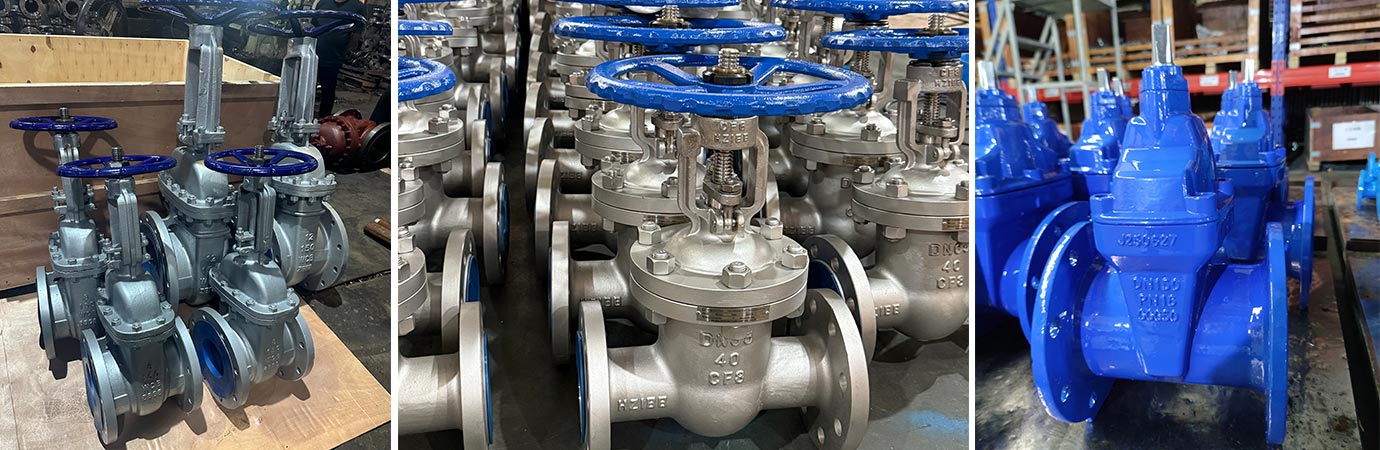
Applicable Conditions:
General crude oil, natural gas
Medium-high pressure, non-strongly corrosive media
Advantages:
High strength, relatively controllable cost
Widely used in oil and gas pipelines and equipment areas
Precautions: Use with caution in sulfur-containing or highly corrosive environments
Applicable Conditions:
High-temperature, high-pressure oil and gas systems
Refining units, heating furnaces, compressor outlets
Advantages:
Creep resistance, high temperature resistance
Stable long-term operation, high safety factor
Applicable Conditions:
Containing corrosive media, moisture, or slightly acidic environments
Advantages:
Strong corrosion resistance
Suitable for oil and gas processing and fine chemical sections
Applicable Conditions:
Containing H₂S, CO₂ Sour Service Oil and Gas
Offshore Platforms, Extreme Corrosive Environments
Standard Reference:
NACE MR0175 / ISO 15156
Features:
Good sealing performance
Low opening and closing torque
Limitations:
Not suitable for high temperatures (typically ≤200℃)
Prone to aging, unsuitable for extreme oil and gas conditions
Applicable Scenarios:
High-pressure, high-temperature oil and gas pipelines
Wellheads, main pipelines, emergency shut-off systems
Advantages:
High temperature and high pressure resistance
Erosion resistant, long service life
Fireproof and explosion-proof design possible
Common Forms:
Metal-to-metal seal
Hard alloy overlay sealing surface
In the oil and gas industry, valves typically need to meet:
API 607 / API 6FA fire resistance test
Low leakage design (ISO 15848)
These are important reference indicators for selecting high-end oil and gas valves.

🔹 Ball Valve
Material: Carbon Steel / Alloy Steel / Stainless Steel
Seal: Hard Metal Seal (Preferred for High Pressure)
🔹 Gate Valve
Material: WCB / WC6 / Alloy Steel
Seal: Metal Seal, Suitable for Fully Open/Fully Closed
🔹 Globe Valve
Material: Alloy Steel / Stainless Steel
Seal: Metal Seal, Suitable for Regulation
🔹 Check Valve
Material: Alloy Steel / Stainless Steel
Seal: Erosion-resistant Metal Seal
High-pressure oil and gas valves are not just products, but also an integral part of system safety. Professional manufacturers typically possess:
1. API 6D, API 600, API 602, and other certifications
2. Complete pressure, sealing, and fire resistance testing
3. Extensive experience in delivering oil and gas projects
WEIZIDOM specializes in oil and gas valves, providing API-compliant ball valves, gate valves, and customized oil and gas valve solutions, widely used in oil, gas, refining, and energy projects.
In high-pressure oil and gas conditions, valve selection should not be based solely on price. Correct material selection + a reasonable sealing structure + compliance with industry standards are essential to ensure the long-term safe operation of the system. If you are looking for highly reliable industrial valve solutions for your oil and gas projects, choosing a supplier with technical strength and project experience will significantly reduce operational risks and total lifecycle costs.

