
In water treatment, oil and gas, energy and power, and large industrial pipeline systems, large-diameter butterfly valves with a diameter of DN300 or larger are widely used for flow control and media shut-off. Compared to smaller diameter valves, large-diameter butterfly valves have higher requirements in terms of structural strength, sealing method, actuator matching, and long-term operational stability. Improper selection can not only increase maintenance costs but also affect the safety and operational efficiency of the entire system.
This article will systematically analyze the core selection points for butterfly valves with a diameter of DN300 or larger from three dimensions: engineering technology, project procurement, and industry application, helping you make more scientific and reliable decisions.
The main reasons why butterfly valves have become the mainstream choice in large-diameter pipelines include:
1. Lightweight structure, reduced installation difficulty
Compared to ball valves or gate valves of the same specifications, large-diameter butterfly valves are lighter and have lower requirements for pipeline support, making them particularly suitable for large-scale engineering projects.
2. Significant Cost Advantage
As the size of valves above DN300 increases, manufacturing costs rise exponentially. Butterfly valves, with their simple structure, offer higher cost-effectiveness while maintaining performance.
3. Rapid Opening and Closing, Suitable for Automated Control
The 90° rotation structure allows butterfly valves to open and close quickly. Combined with pneumatic or electric actuators, remote control and system interlocking can be easily achieved.
4. Adaptable to Multiple Industry Applications
From wastewater treatment to oil and gas transportation, and power plant circulating water systems, large-diameter butterfly valves provide stable and reliable fluid control solutions.
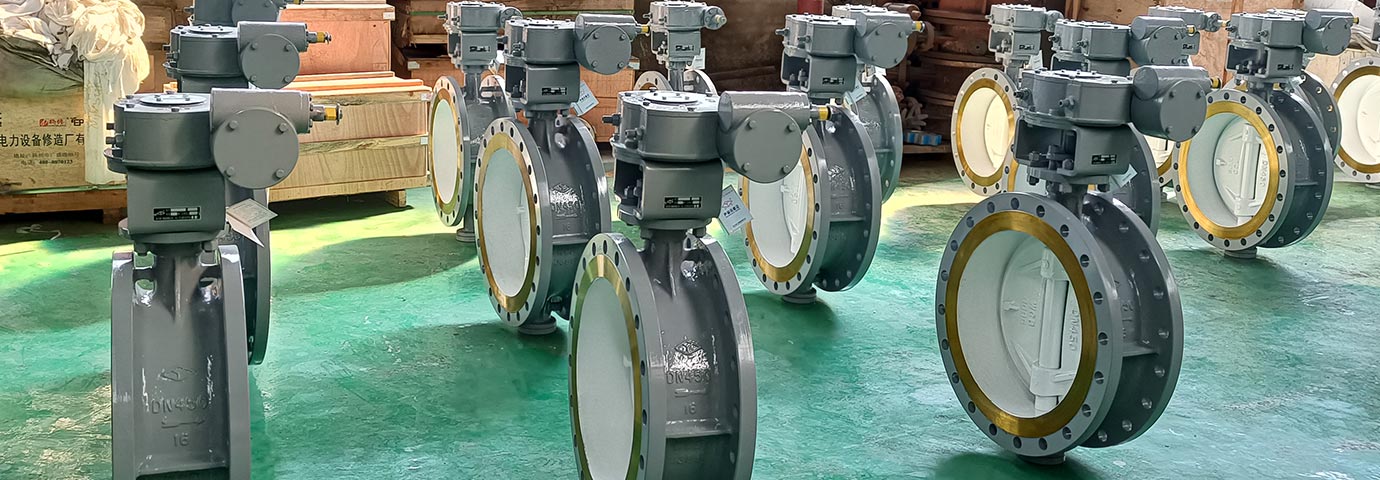
1. Structural Form Selection
Different structures directly affect sealing performance and service life:
Center-line butterfly valve: Suitable for low-pressure water treatment and general industrial systems, offering high economic efficiency.
Double eccentric butterfly valve: Reduces seal wear, suitable for medium pressure and frequent opening and closing conditions.
Triple eccentric butterfly valve: Metal seal design, suitable for high-temperature, high-pressure, and oil and gas industries.
Generally, the larger the pipe diameter, the higher the requirements for structural strength and sealing reliability. Double and triple eccentric structures are more common in large-scale projects.
2. How to Choose the Sealing Type?
The sealing structure is key to selecting large-diameter butterfly valves:
Soft-seal butterfly valve
Advantages: Good sealing performance, low opening and closing torque
Applications: Water treatment, low-temperature and low-pressure systems
Metal-seal butterfly valve
Advantages: High temperature resistance, wear resistance
Applications: Oil and gas, energy, and power industries
For butterfly valves above DN300, in high-temperature or particulate media environments, it is generally recommended to prioritize metal-seal structures to avoid rapid aging of the sealing surface.
3. Valve Body Material and Corrosion Protection Design
Large-diameter butterfly valves operate in complex environments over long periods, making material selection particularly important:
Carbon steel: Suitable for general industrial media, high cost-effectiveness
304/316 stainless steel: Suitable for corrosive environments
Fluoro-lined structure: Preferred for strong acids, alkalis, and chemical media
Alloy steel: High-temperature and high-pressure systems
Appropriate material matching not only extends service life but also significantly reduces maintenance frequency.
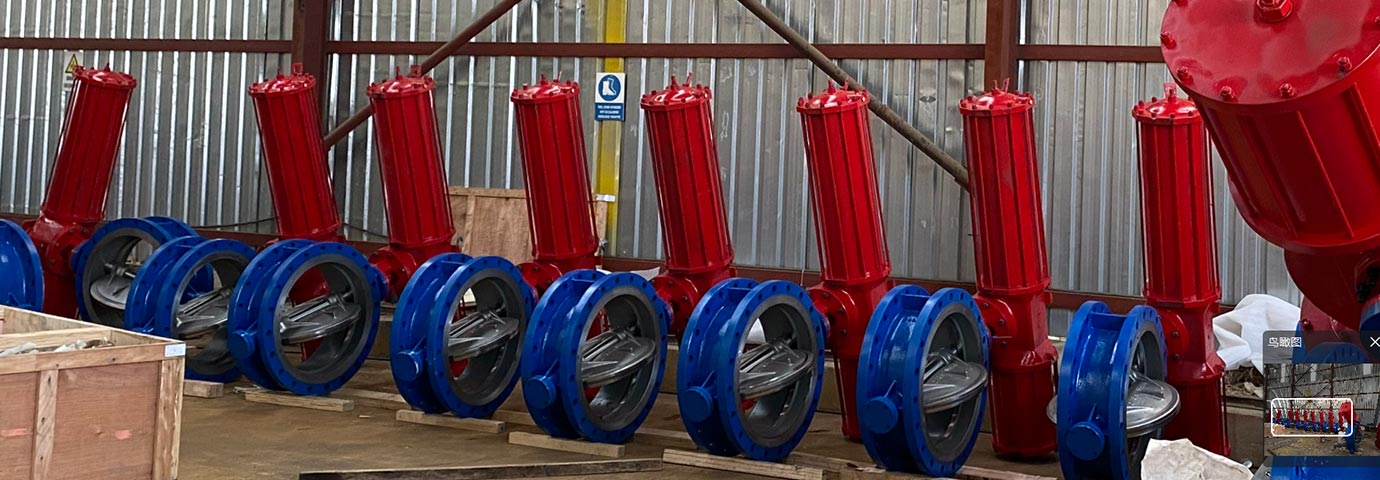
One of the biggest technical challenges of butterfly valves above DN300 is the correct selection of actuators.
Single-Acting vs. Double-Acting Actuators
⭐ Single-Acting Actuators: Suitable for safe operating conditions where automatic shut-off occurs upon gas loss.
⭐ Double-Acting Actuators: Offer stable torque, suitable for conventional automation systems.
Sufficient torque margin should be reserved during selection to avoid malfunction due to medium pressure or long-term wear. In addition, large-diameter butterfly valves typically require the following accessories:
Solenoid Valves
Limit Switches
Gas Source Treatment Devices
Positioners (for regulating conditions)
1. Water Treatment and Wastewater Treatment Systems: Soft-seal or stainless steel butterfly valves are recommended, balancing sealing performance and economy, suitable for high-flow, low-pressure pipelines.
2. Oil and Gas Industry: Triple-eccentric metal-seal butterfly valves are recommended, offering high temperature resistance, fire resistance, and high sealing performance.
3. Energy and Power Systems: In high-temperature steam or circulating water systems, double or triple eccentric butterfly valves offer a longer service life.
4. Chemical and Corrosive Media: PTFE-lined butterfly valves or those made of corrosion-resistant alloys can be selected to improve system safety.
In actual projects, many problems do not stem from product quality but from misjudgments during the selection phase:
❌ Focusing solely on valve price while ignoring total lifecycle costs
❌ Insufficient actuator torque selection
❌ Failure to consider media erosion and particle wear
❌ Ignoring installation space and ease of maintenance
Correct selection not only improves system stability but also significantly reduces subsequent maintenance costs.
A mature butterfly valve solution should be more than just a single product; it should include:
🔥 Professional matching of structure and materials
🔥 Complete configuration of actuators and accessories
🔥 Industry application experience support
🔥 Stable delivery and technical service
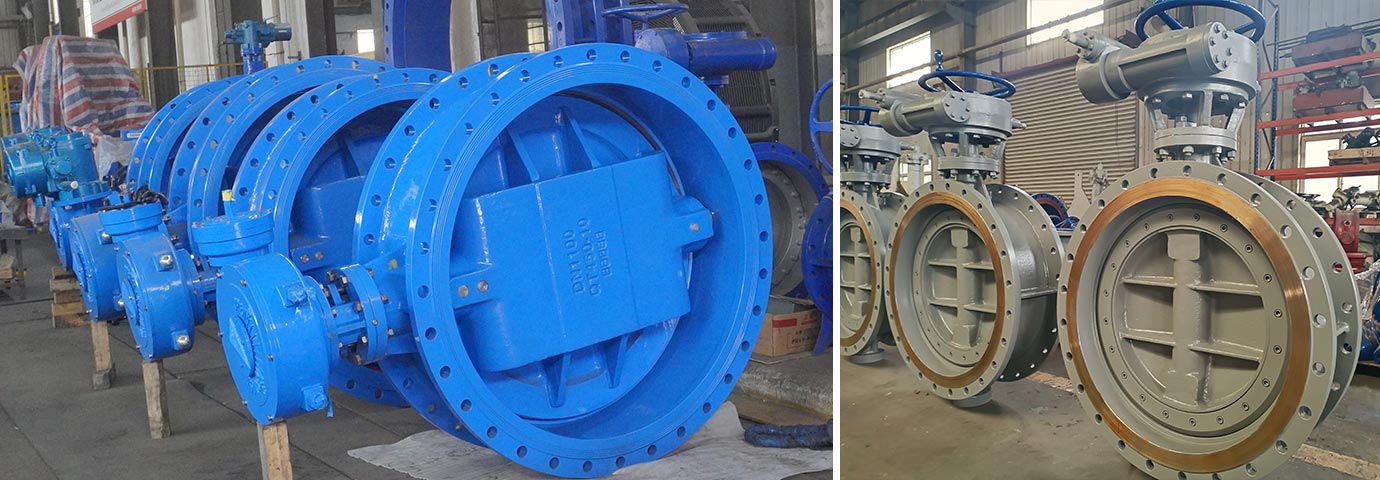
Taking WEIZIDOM as an example, its large-diameter pneumatic butterfly valves cover various structural forms, providing complete solutions according to the needs of oil and gas, water treatment, and energy projects, offering technical support from the selection stage to on-site operation.
The selection of butterfly valves above DN300 is essentially a comprehensive judgment of structure, materials, sealing, and actuator matching. By combining specific operating conditions and rationally selecting eccentric structures, sealing methods, and actuation methods, not only can system safety be improved, but long-term operating costs can also be significantly reduced.
In large industrial pipeline systems, a correct large-diameter butterfly valve solution often determines the stability and efficiency of the entire system. Therefore, systematic selection at the beginning of a project is a crucial step in ensuring the long-term reliable operation of the project. As a professional large-diameter valve expert, WEIZIDOM can provide customized solutions according to your needs. Please contact us for more information.

