
Against the backdrop of global water scarcity, especially in the Middle East, North Africa, and coastal regions, seawater desalination has become a crucial means of ensuring freshwater supply. As seawater desalination projects continue to expand, the requirements for system stability and safety are also increasing. Valves, as a core component of fluid control, play a vital role in the entire seawater desalination system.
So, what seawater desalination valves can WEIZIDOM provide under complex high-salt, high-pressure conditions? And how can you choose the right valve for different systems? This article will provide a systematic analysis from three levels: product system, operating condition matching, and overall solutions, helping you to complete project selection and procurement more efficiently.
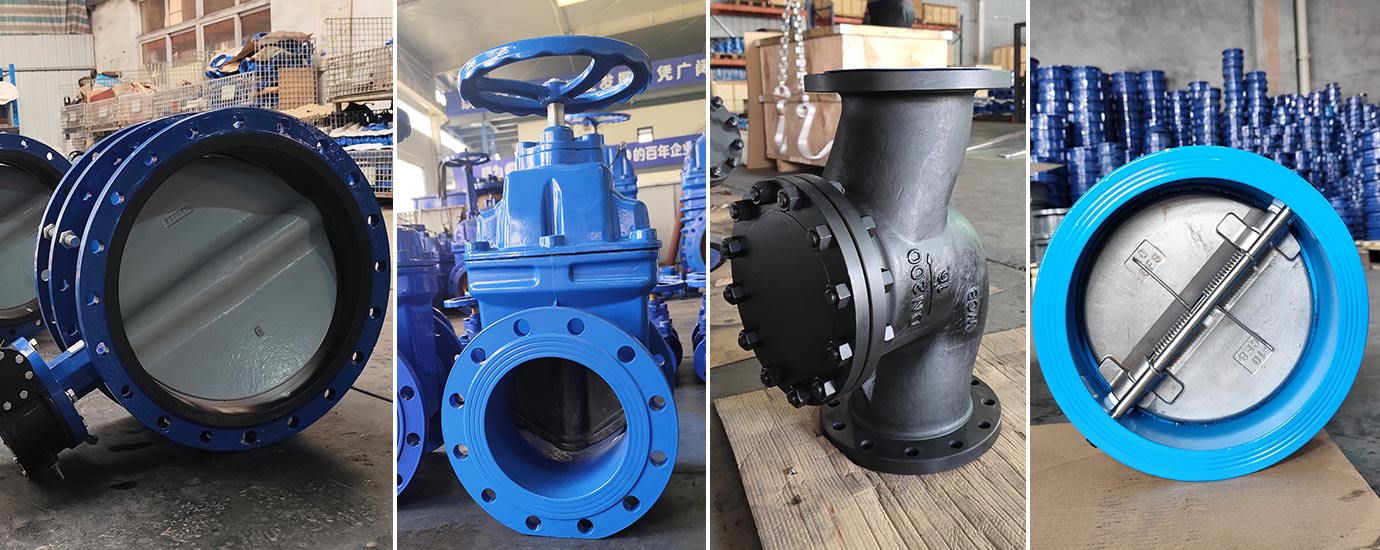
Seawater desalination systems, especially reverse osmosis (RO) systems, typically face the following challenges:
1. High salinity creates a highly corrosive environment, making ordinary materials prone to corrosion and failure;
2. High-pressure operation places higher demands on valve strength and sealing performance;
3. The system requires long-term continuous operation, demanding extremely high equipment stability and lifespan;
4. High automation requires valves with excellent control and linkage capabilities.
In this context, traditional general-purpose valves often fail to meet the requirements, necessitating the use of industrial valve products and configuration solutions specifically designed for seawater desalination operations.
To meet the needs of different stages of seawater desalination projects, WEIZIDOM has built a complete valve product system, covering various application scenarios from water intake to transportation.
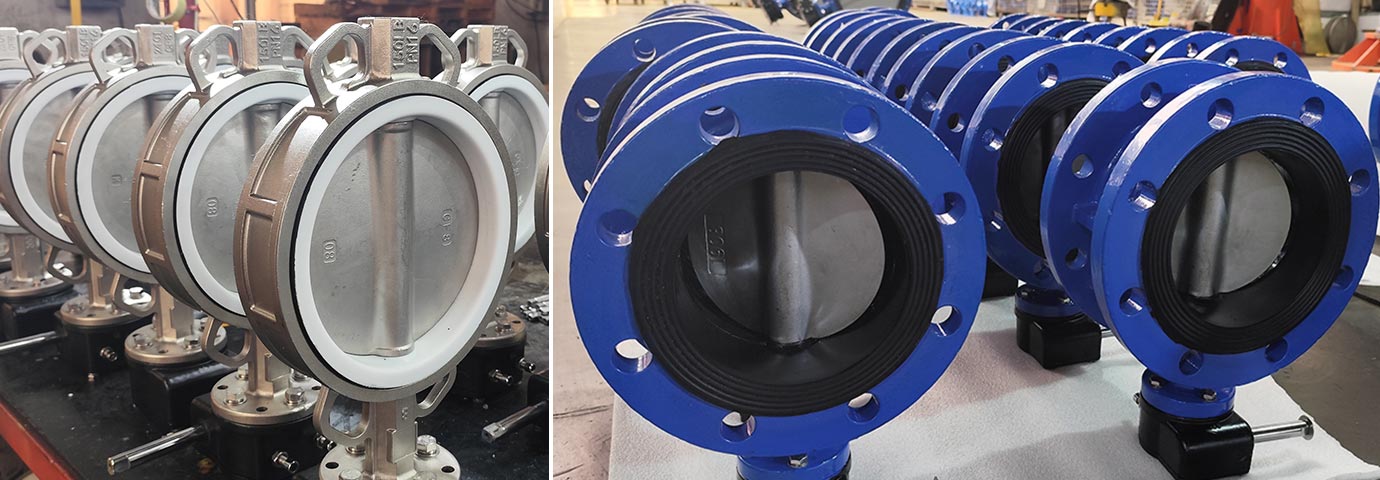
In large-diameter pipelines and low-pressure systems, butterfly valves are the most common choice. Their compact structure, light weight, and significant cost advantages make them widely used in water intake systems and downstream transportation systems. WEIZIDOM offers butterfly valves in various structural forms, including wafer and flange designs, and offers a choice of soft-seal or metal-seal structures to adapt to different temperature and pressure conditions.
In high-pressure core systems, especially reverse osmosis (RO) units, ball valves play a crucial role. Ball valves are characterized by rapid opening and closing and excellent sealing performance, enabling reliable shut-off under high pressure environments. WEIZIDOM offers both floating and fixed ball valves to meet different pressure ratings and diameter requirements, making them indispensable equipment in RO systems.
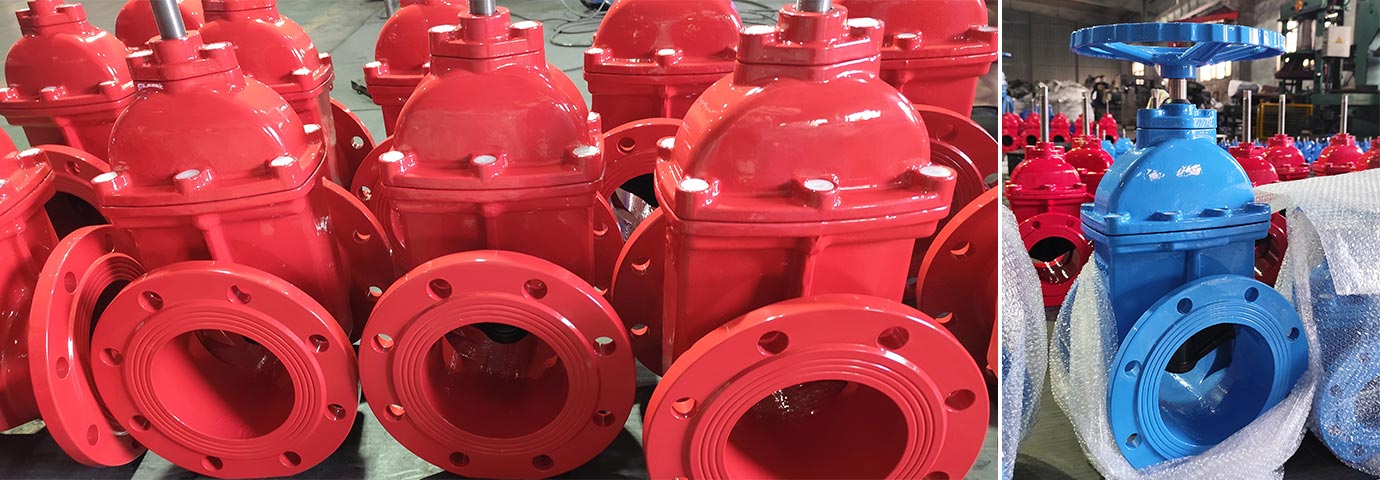
For main pipelines and applications requiring low flow resistance, gate valves are the ideal choice. Their fully open state barely affects fluid flow, making them suitable for high-flow-rate systems and widely used in the water supply and distribution stages of seawater desalination projects.
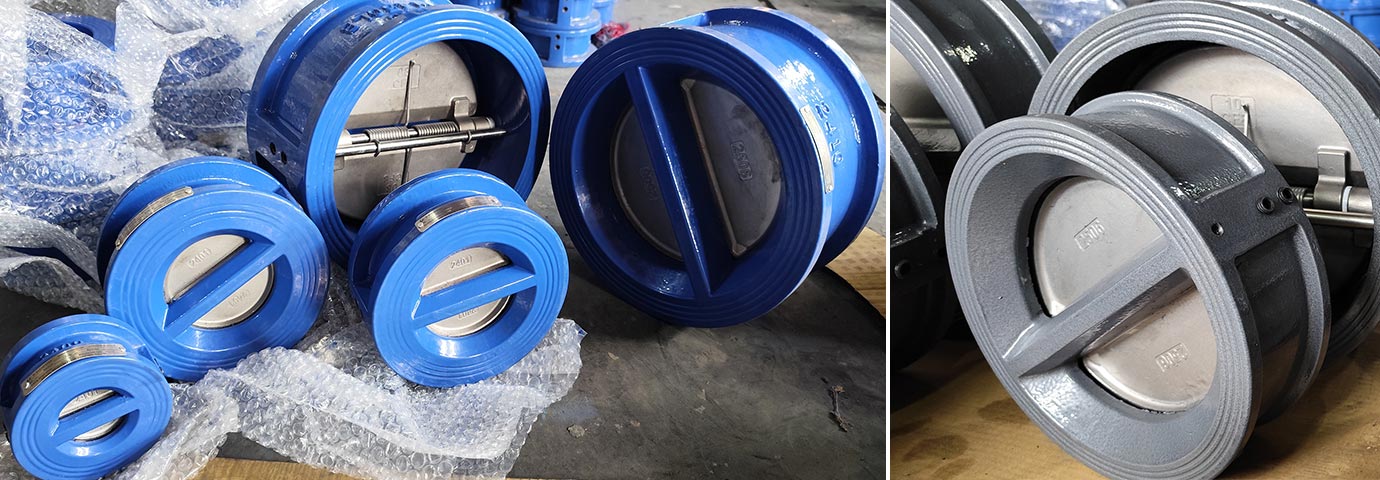
Furthermore, to ensure safe system operation, check valves prevent backflow of the medium, protecting pump units and critical equipment; while in systems requiring precise flow and pressure control, regulating valves perform core control functions, playing a vital role, especially in energy recovery systems.
Through the above product combination, WEIZIDOM can comprehensively cover various operating conditions in seawater desalination systems.
In actual engineering, valves are not used in isolation, but rather configured holistically according to the system flow.
In the intake system, a combination of large-diameter butterfly valves and gate valves is typically used to achieve stable influent control and system isolation; in the pretreatment system, butterfly valves and ball valves are used together for filtration equipment control and backwashing processes; after entering the core RO high-pressure system, high-pressure ball valves and check valves are required to ensure safe operation under high-pressure conditions; in the energy recovery system, regulating valves are mainly used for precise control of flow and pressure.
This system-segmented configuration allows valves to operate under their most suitable conditions, thereby improving the overall system efficiency and stability.
In seawater desalination projects, valve selection is not just about choosing the type, but more importantly, comprehensively considering the material, sealing, and actuation method.
Regarding materials, due to the highly corrosive nature of seawater, corrosion-resistant materials such as 316/316L stainless steel, duplex stainless steel, or super duplex steel are generally recommended to extend valve life.
Regarding sealing structures, PTFE or metal sealing structures should be selected based on temperature and media characteristics to prevent leakage.
In terms of actuation methods, pneumatic actuators are the most common choice, suitable for automated control systems, while electric actuators are suitable for applications requiring precise adjustment.
It is important to note that common selection pitfalls in actual projects include: ignoring corrosion leading to material failure, improper sealing structure selection causing leakage, and insufficient actuator torque preventing valves from opening and closing properly. These problems often directly affect system operation and can even lead to shutdowns.
Unlike single-product supply, WEIZIDOM focuses on providing complete system solutions. The company not only has a comprehensive valve product line but also provides integrated services from selection to delivery based on customer project needs.
Through in-depth analysis of operating conditions, WEIZIDOM can recommend the most suitable valve types and material combinations for its clients. During project execution, it provides complete sets of valves and actuators to ensure equipment compatibility. Furthermore, leveraging its extensive industry experience, it offers stable and reliable technical support.
This “product + technology + solution” model significantly reduces the difficulty of valve selection and procurement risks for clients facing complex seawater desalination projects.
Valves in seawater desalination systems are not only diverse and widely distributed, but also have extremely high performance requirements. From water intake to reverse osmosis, and then to energy recovery and transmission, every step relies on appropriately configured valve products. By building a complete valve product system and scientifically selecting valves based on specific operating conditions, the stability and safety of system operation can be significantly improved, while reducing long-term maintenance costs.
As a professional industrial valve manufacturer and supplier, WEIZIDOM, with its comprehensive product portfolio and system solution capabilities, can provide reliable support for seawater desalination projects worldwide, helping coastal areas and water-scarce countries achieve efficient and sustainable water resource utilization.

