
In modern water treatment systems, valves play a crucial role in ensuring the safe and efficient operation of pipeline networks. Among the many types of industrial valves, the Water Treatment Gate Valve is one of the most widely used devices for isolating flow in large pipelines.
Gate valves are commonly installed in both drinking water treatment plants and wastewater treatment facilities, but the operating conditions of these two systems are very different. As a result, the design, materials, and performance requirements of the gate valves used in each environment also differ.
Understanding these differences is essential for engineers, procurement specialists, and project contractors when selecting the right valve for water infrastructure projects. In this article, we explore how Water Treatment Gate Valves are used in clean water systems and wastewater facilities, and how manufacturers such as WEIZIDOM provide reliable solutions for these demanding applications.
A Water Treatment Gate Valve is primarily used for on-off flow control in pipeline systems. Unlike control valves that regulate flow, gate valves are designed to either fully open or fully close the pipeline, ensuring minimal pressure loss when the valve is open.
In water treatment infrastructure, gate valves are typically installed in:
raw water intake pipelines
filtration system pipelines
pump station pipelines
municipal distribution networks
sludge and wastewater pipelines
Because these pipelines often have large diameters and continuous operation, the reliability of the valve is extremely important. A properly designed gate valve helps operators isolate sections of the system during maintenance or emergency situations without disrupting the entire treatment process.
However, the operating environments of drinking water plants and wastewater treatment plants differ significantly, which leads to different requirements for gate valve design and materials.
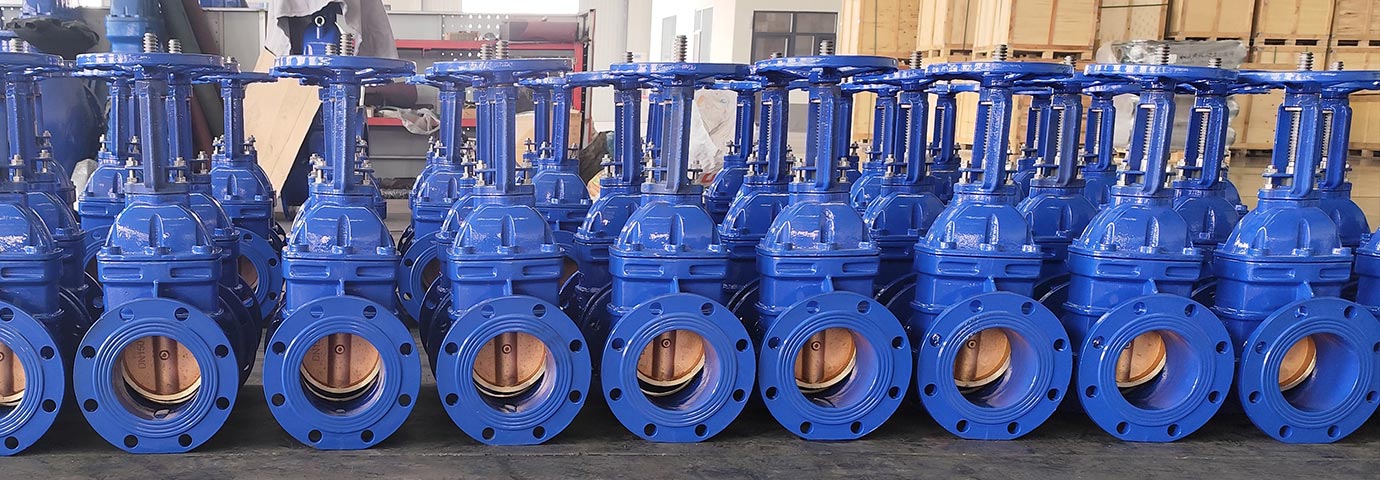
Drinking water treatment plants primarily handle raw water and treated clean water. The pipelines in these facilities must meet strict safety and hygiene standards to prevent contamination.
For this reason, the most common Water Treatment Gate Valve used in clean water systems is the resilient seated gate valve.
These valves offer several important advantages:
First, they provide excellent sealing performance. The gate is typically coated with EPDM rubber, which creates a tight seal and prevents leakage even after long periods of operation.
Second, drinking water pipelines require high corrosion resistance. Most gate valves used in water plants feature epoxy-coated ductile iron bodies, which protect the valve from rust and extend its service life.
Third, the internal surfaces of these valves must comply with drinking water safety standards. Smooth internal coatings help prevent bacterial growth and ensure that the water remains clean during transportation.
Typical applications of gate valves in drinking water treatment plants include:
raw water intake systems
filtration system pipelines
clean water storage tanks
municipal water distribution pipelines
Manufacturers such as WEIZIDOM produce high-quality Water Treatment Gate Valves designed specifically for municipal water supply projects. These valves are manufactured with corrosion-resistant coatings and durable sealing components, ensuring long-term reliability in drinking water systems.
Compared with drinking water plants, wastewater treatment facilities operate under much harsher conditions. The pipelines in these systems transport sewage, sludge, and water containing solid particles and chemical contaminants.
Because of these conditions, wastewater gate valves must meet different performance requirements.
One of the most important requirements is resistance to corrosion. Wastewater often contains chemicals, bacteria, and gases that can accelerate metal corrosion. To address this issue, wastewater gate valves are often made with enhanced protective coatings or corrosion-resistant materials.
Another major concern is abrasion resistance. Wastewater pipelines frequently carry sand, sludge, and other solid particles that can wear down valve surfaces over time. Valves used in these systems must therefore be designed with durable internal components.
Wastewater systems also require valves with larger flow passages to reduce the risk of clogging. A wider internal structure allows solid particles to pass through the valve without blocking the pipeline.
Typical installation locations for Water Treatment Gate Valves in wastewater treatment plants include:
sewage transfer pipelines
sludge transportation systems
pumping stations
industrial wastewater discharge pipelines
To meet these requirements, companies like WEIZIDOM develop gate valves specifically engineered for wastewater environments. These valves feature strong structural designs, corrosion-resistant coatings, and durable sealing systems that perform reliably in challenging conditions.
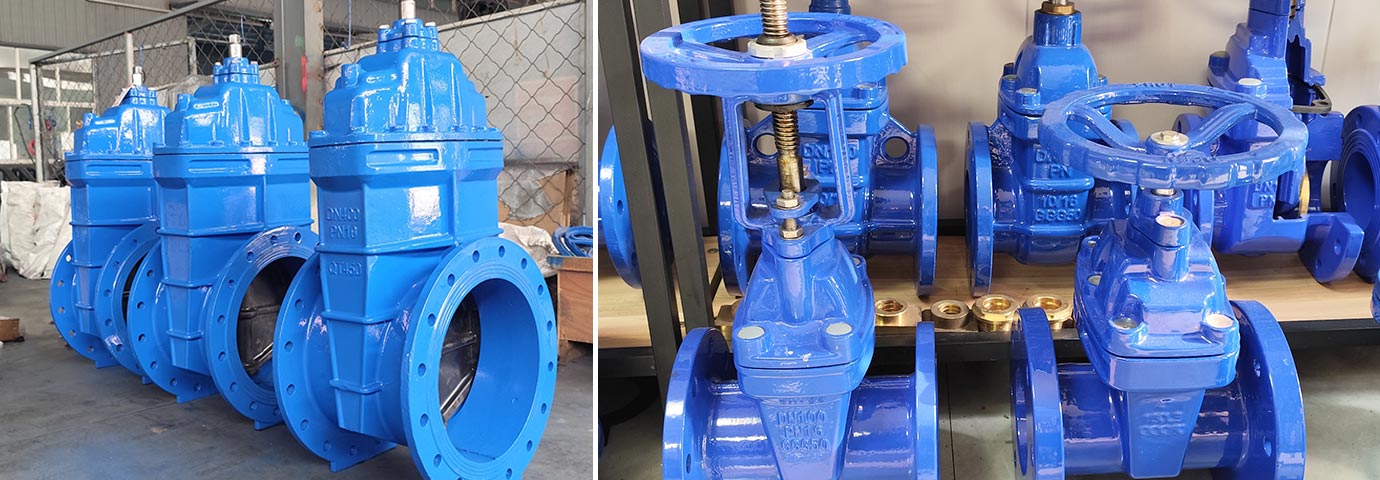
Although both types of valves fall under the category of Water Treatment Gate Valves, their design priorities differ due to the nature of the fluid being transported.
In drinking water systems, the main focus is hygiene, sealing performance, and corrosion protection. The valves must ensure that clean water remains uncontaminated throughout the pipeline network.
In wastewater systems, the focus shifts toward durability, anti-clogging design, and resistance to corrosion and abrasion. The valve must be able to withstand aggressive media and continuous operation.
Another difference lies in the maintenance requirements. Wastewater valves may require more frequent inspection due to the presence of solids and chemical substances, while drinking water valves typically operate in cleaner environments with less wear.
Understanding these differences helps engineers choose the correct Water Treatment Gate Valve for each application.
Choosing the correct valve for a water treatment system requires careful evaluation of several technical factors.
The first factor is fluid type. Clean water, raw water, and sewage each have different chemical properties that affect material selection.
The second factor is pipeline pressure and diameter. Large municipal pipelines often require valves with robust structural strength to handle high pressure and large flow volumes.
The third factor is corrosion resistance. Protective coatings and high-quality materials help extend valve lifespan and reduce maintenance costs.
The fourth factor is operational reliability. Since many water treatment systems operate continuously, valves must be designed for long-term performance without frequent replacement.
Working with an experienced manufacturer can help ensure that the selected Water Treatment Gate Valve meets all project requirements.
As a professional manufacturer specializing in pipeline fluid control equipment, WEIZIDOM provides a wide range of products for water treatment infrastructure projects around the world.
The company’s product portfolio includes:
gate valves
butterfly valves
check valves
pipe fittings
water meters
flow meters
These products are widely used in industries such as municipal water supply, wastewater treatment, mining, and industrial processing.
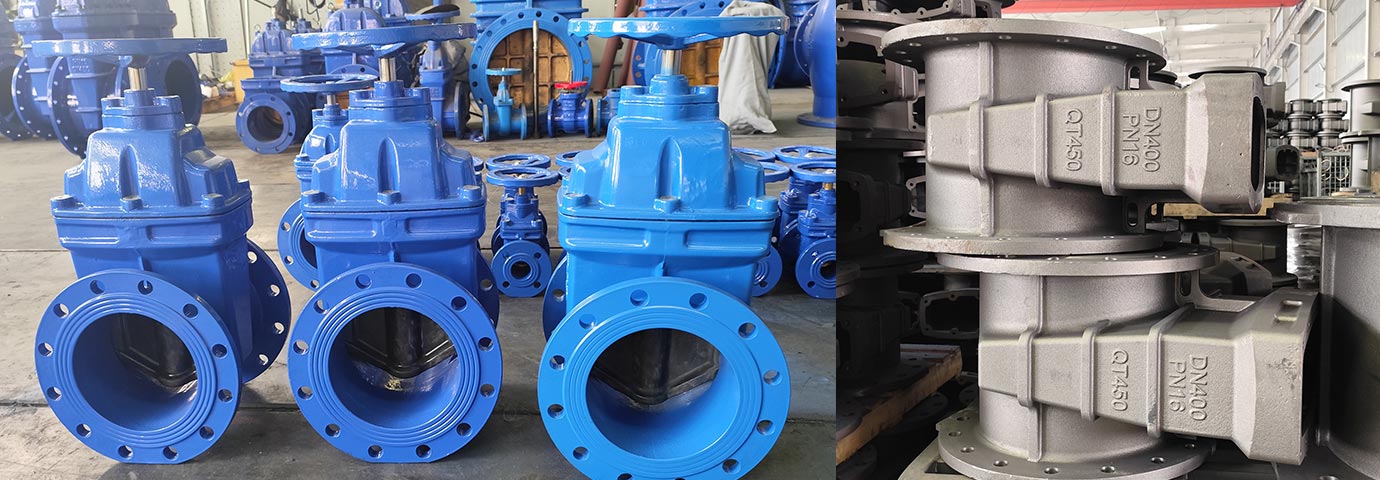
WEIZIDOM focuses on combining advanced manufacturing technology with strict quality control standards. By doing so, the company ensures that its Water Treatment Gate Valves deliver reliable performance in demanding pipeline environments.
In addition to providing standard valve products, WEIZIDOM also supports engineering projects with technical consultation and customized solutions, helping clients optimize pipeline safety and efficiency.
Gate valves remain one of the most important components in modern water treatment systems. However, the requirements for valves used in drinking water plants and wastewater treatment facilities are significantly different.
Drinking water systems require valves that prioritize hygiene, corrosion resistance, and tight sealing, while wastewater systems demand strong durability, anti-clogging designs, and resistance to abrasive media.
By understanding these differences, engineers and project managers can select the most appropriate Water Treatment Gate Valve for each application.
With extensive experience in industrial valve manufacturing, WEIZIDOM continues to provide high-quality valve solutions that support safe, efficient, and sustainable water infrastructure around the world.

